


2026 (3)
 SKDM (Sınırda Karbon Düzenleme Mekanizması) 2026: AB’ye İhracatta Karbon Maliyeti Dönemi Başladı. Şirketler Nasıl Hazırlanmalı?
1 Ocak 2026 itibarıyla mali yükümlülüğe dönüşen SKDM, belirli sektörlerdeki gömülü emisyonlar için karbon fiyatlandırması yoluyla doğrudan maliyet yaratmaktadır. Bu yeni dönemde SKDM uyumu, şirketlerin rekabet gücünü koruması adına doğrulanabilir hesaplamalar ve stratejik maliyet yönetimi gerektiren kritik bir hazırlık sürecidir.
 Regülasyonlar değişir. Coğrafyalar değişir. Ama şirketlerden beklenen hazırlık türü değişmez.
Küresel ölçekte sürdürülebilirlik regülasyonları ve taksonomiler ülkeden ülkeye farklılaşsa da şirketlerden beklenen hazırlık türü değişmemektedir. Şirketler için kritik başarı faktörü, regülasyonlardan bağımsız, tutarlı ve ölçeklenebilir bir sürdürülebilirlik veri ve yönetişim altyapısı oluşturmaktır.
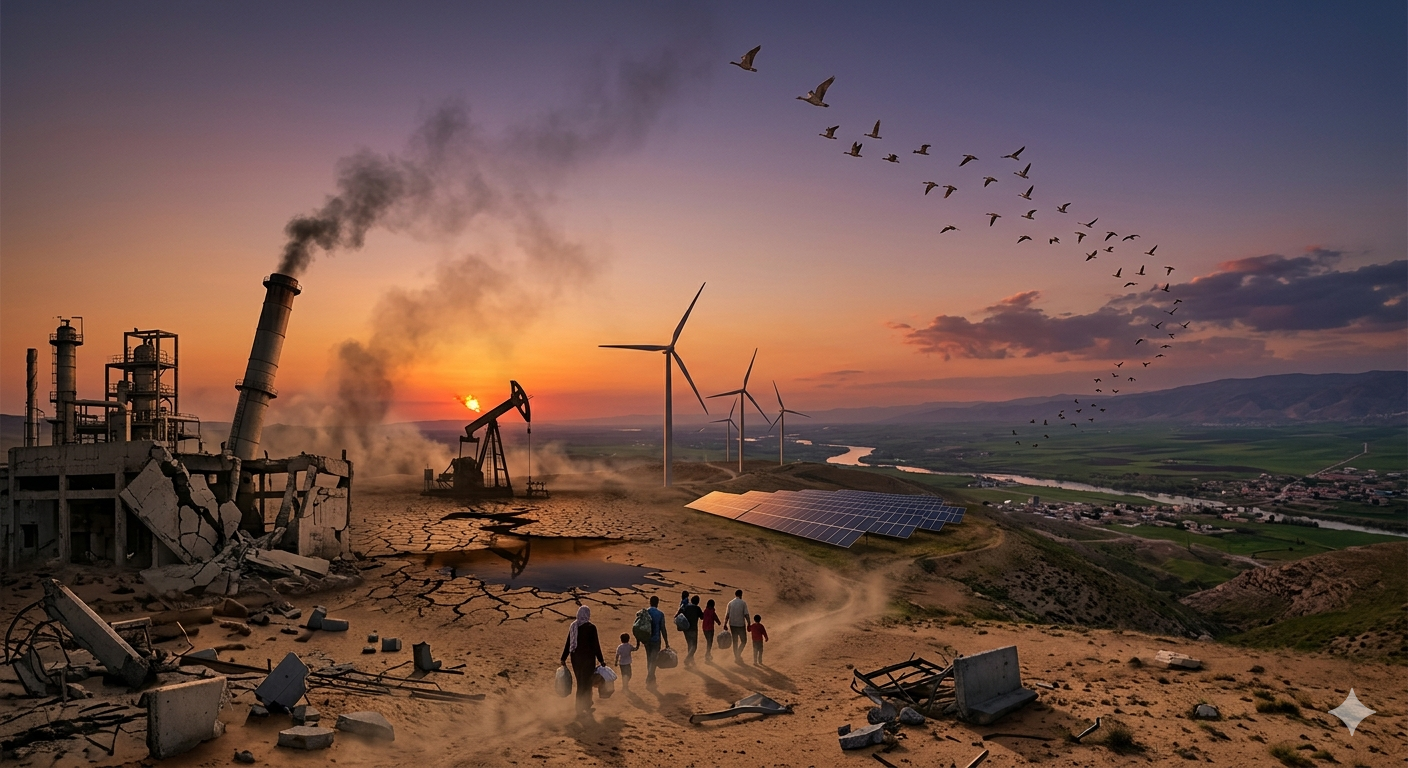 İran-İsrail-ABD Savaşının ÇSY Tehditleri ve Karbonsuzlaşmaya Etkileri
ABD-İsrail-İran savaşı, Ortadoğu’da insan yaşamını, doğal yaşamı, çevreyi ve biyo çeşitliliği, ekonomik performansı ve yönetişim güvenirliğini etkileyen çok boyutlu bir denkleme dönüşürken, kelebek etkisi ile dünya genelinde toplumları, ekonomiyi ve çevreyi olumsuz yönde etkilemeye devam ediyor. Bu makalede savaşın dünyanın karbonsuzlaşma ve sürdürülebilirlik hedeflerine etkisini ele aldık.
2024 (14)
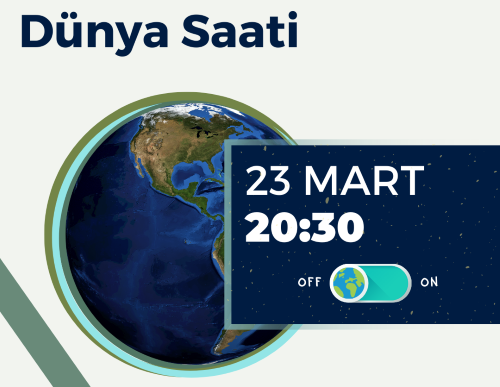 Dünya Saati: Bir Saatlik Karanlık, Sürdürülebilir Bir Gelecek için Umut Işığı
Dünyamız karşı karşıya olduğu birçok çevresel sorunla mücadele ediyor. İklim değişikliği, su kıtlığı, hava kirliliği gibi problemler her geçen gün daha da acil hale geliyor. Bu problemleri çözmek için hepimize büyük görevler düşüyor. Fakat unutulmamalıdır ki, büyük değişimler küçük adımlarla başlar.
 KOBİ'lere Yeşil Dönüşümde Destek!
Heyecan Verici Haber! KOBİ'lere Yeşil Dönüşümde Destek! Şirketimiz, TÜBİTAK ve KOSGEB iş birliğiyle yürütülen Türkiye Yeşil Sanayi Projesi kapsamında KOBİ'lerin Yeşil Dönüşüm'e uyum sağlamasına yardımcı olacak danışmanlık merkezi olarak seçildi.
 CGE Evaluation Merkezi Olarak 2024 Sürdürülebilirlik Trendleri ve Şirketlere Tavsiyeler
Sürdürülebilirlik, artık sadece bir seçenek değil, şirketlerin geleceği için bir zorunluluk haline geldi. Şirketler, bu değişen dünyaya uyum sağlayabilmek ve rekabet avantajı elde etmek için sürdürülebilirlik dönüşümünü hızlandırmalıdır. CGE Evaluation olarak, şirketlerin bu dönüşüm sürecinde onlara rehberlik etmekten mutluluk duyarız.
 Belediyelerde Sürdürülebilirlik: Geleceğe Yönelik Yatırımlar
Belediyeler, şehirlerin kalbi olarak kabul edilir ve sürdürülebilir kalkınmanın en önemli aktörlerinden biridir. Kentsel alanlarda yaşayan milyonlarca insanın yaşam kalitesini doğrudan etkileyen belediyeler, çevresel, sosyal ve ekonomik sürdürülebilirliğe yönelik çalışmalar yaparak geleceğe yatırım yaparlar.
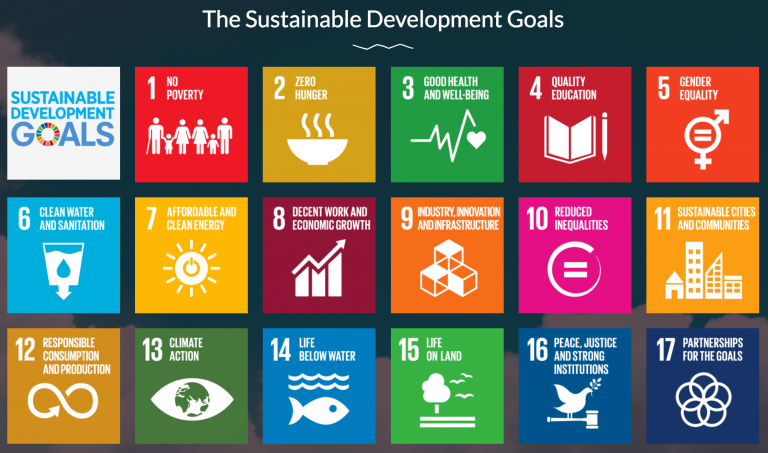 Birleşmiş Milletler Sürdürülebilir Kalkınma Hedefleri: Daha İyi Bir Dünya İçin 17 Adım
Dünyamız, hızla değişen ve büyüyen bir nüfusa ev sahipliği yapıyor. Bu büyümeyle birlikte, kaynakların tükenmesi, iklim değişikliği ve eşitsizlik gibi küresel sorunlar da artıyor. İşte bu noktada, Birleşmiş Milletler (BM) tarafından belirlenen Sürdürülebilir Kalkınma Hedefleri (SDG'ler) devreye giriyor.
 Evde Enerji Tasarrufu İçin Pratik İpuçları
Günümüzde enerji kaynakları sınırlı ve değerli. Hem çevremizi korumak hem de faturalarımızı düşürmek için enerji tasarrufu yapmanın önemi büyük. İşte evde kolaylıkla uygulayabileceğiniz bazı pratik ipuçları:
 Karbon Ayak İzini Azaltma Rehberi
Küresel ısınmanın ve iklim değişikliğinin etkileri her geçen gün daha belirgin hale gelirken, şirketler de bu sorumluluğun bir parçası olarak karbon ayak izlerini azaltmak için harekete geçmelidir. Hem çevresel sürdürülebilirlik açısından hem de şirket imajı ve rekabet gücü açısından karbon ayak izini azaltmak, günümüzde kaçınılmaz bir gerekliliktir.
 Plastiksiz Bir Dünya Hayali: Temiz Okyanuslar İçin Adımlar
Plastiksiz bir dünya, hepimizin ortak hayali olmalı. Küçük adımlar atarak, birlikte büyük bir fark yaratabiliriz. Gelecek nesillere temiz bir dünya bırakmak için harekete geçme zamanı!
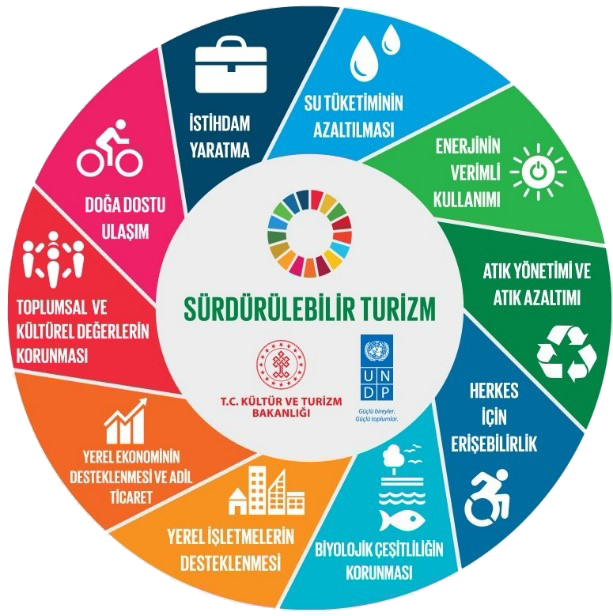 Sürdürülebilir turizm
Sürdürülebilir turizm, sadece turizm sektörünün değil, tüm dünyanın sorumluluğudur. Her birimiz küçük adımlar atarak daha sürdürülebilir bir gelecek için katkıda bulunabiliriz.
 Sürdürülebilirlik Raporlaması: Türkiye'nin Yeşil Dönüşümündeki Rolü
TSRS, Türkiye'nin sürdürülebilirlik yolculuğunda önemli bir dönüm noktasıdır. Bu standartlar sayesinde ülkemiz, hem ekonomik büyümeyi hem de çevresel ve sosyal gelişmeyi bir arada götüren bir modele geçiş yapacaktır. Herkesin bu dönüşüme katkı sağlaması ve sürdürülebilir bir gelecek için el ele çalışması gerekmektedir.

Turizm sektörü, hem ekonomik büyümeye katkı sağlayan hem de çevresel ve sosyal etkileri olan önemli bir sektördür. Bu nedenle, turizm işletmelerinin sürdürülebilirlik ilkelerine uygun hareket etmeleri büyük önem taşır. Özellikle oteller, konaklama hizmeti sunarak doğrudan çevre ve yerel topluluklarla etkileşimde bulunduğundan, sürdürülebilirlik konusunda öncü rol oynayabilirler.
29 Eylül, her yıl dünyanın dört bir yanında gıda kaybı ve israfının ne denli büyük bir sorun olduğunu hatırlattığımız önemli bir gün. Bu gün, üretilen gıdaların büyük bir kısmının çöpe gitmesiyle sonuçlanan israfın önlenmesi için farkındalık yaratmayı amaçlar.
29 Eylül, her yıl dünyanın dört bir yanında gıda kaybı ve israfının ne denli büyük bir sorun olduğunu hatırlattığımız önemli bir gün. Bu gün, üretilen gıdaların büyük bir kısmının çöpe gitmesiyle sonuçlanan israfın önlenmesi için farkındalık yaratmayı amaçlar.
17-28 Eylül tarihleri arasında kutlanan Küresel Sürdürülebilir Kalkınma Amaçları Farkındalık Haftası, dünyamızın karşı karşıya olduğu en büyük sorunlara çözüm bulmak için bir araya gelmenin ve harekete geçmenin önemini vurguluyor. Peki, sürdürülebilir kalkınma amaçları nedir ve neden önemlidir? Gelin, birlikte bu soruların cevaplarını bulalım ve daha sürdürülebilir bir gelecek için neler yapabileceğimize göz atalım.
2023 (3)
 KİMYA SEKTÖRÜNDE KURUMSAL SÜRDÜRÜLEBİLİRLİK VE REKABET
Birleşmiş Milletler Sürdürülebilir Kalkınma Amaçları, küresel zorlukları ele almak ve sürdürülebilir kalkınmayı teşvik etmek için kapsamlı bir çerçeve sunmaktadır. Kimya sektörü genel olarak neredeyse her sektöre ürün ve hizmet sağlayan bir sektör olduğundan bu hedeflerin gerçekleştirilmesine en yaygın katkı sağlayacak sektörler arasındadır.
 Kurumsal Sürdürülebilirlik ve Kuruluşların İklim Değişikliği Üzerindeki Etkisi
Dikkatlerin çoğu iklim değişikliğinin çevre ve küresel sürdürülebilirlik üzerindeki zararlı etkilerine odaklanmışken, ekonominin en önemli bileşenlerinden biri olan ulusal ve kurumsal faaliyetlerin küresel ısınmayı nasıl etkilediğini değerlendirmek ve bu etkileri azaltmak için sektöre özgü çözümler üretmek için küresel düzeyde yeterli çalışma yapılmadığı bir gerçektir.
KURUMSAL SÜRDÜRÜLEBİLİRLİK VE SEKTÖR KURULUŞLARININ İKLİM DEĞİŞİKLİĞİ ÜZERİNDEKİ ETKİSİ
Dikkatlerin çoğu iklim değişikliğinin çevre ve küresel sürdürülebilirlik üzerindeki zararlı etkilerine odaklanmışken, ekonominin en önemli bileşenlerinden biri olan ulusal ve kurumsal faaliyetlerin küresel ısınmayı nasıl etkilediğini değerlendirmek ve bu etkileri azaltmak için sektöre özgü çözümler üretmek için küresel düzeyde yeterli çalışma yapılmadığı bir gerçektir.
2022 (6)
 AB Yeşil Mutabakatı ve İş Dünyasına Etkileri
Komisyonun 2030 yılına kadar sera gazı emisyonlarını en az %55 oranında azaltma önerisi, Avrupa'yı 2030 yılına kadar iklim nötr olma yolunda sorumlu bir yola sokarken, AB üyesi olmayan şirketlerin de bu kararlara uyum yükümlülükleri de artıyor! 2050 yılına kadar Avrupa, dünyanın ilk iklim nötr kıtası olmayı hedefliyor.
 COP 26 Glaskow İklim Değişikliği Konferansı Toplantısı Temel Konuları
31 Ekim-13 Kasım 2021 tarihleri arasında 200’e yakın ülke lideri/ temsilcisi Glasgow İklim Değişikliği Konferansı’nda (COP26) buluştu.
 Tedarik Zinciri Sürdürülebilirlik
Değer Zincirinin Tamamında Sürdürülebilirlik Konuları Yakın Geleceğin En Önemli Düzenlemelerinden Birisi Olacak, Ticarette Sürdürülebilirlik Alanında Dış Değerlendirme Yapan ve Aksiyon Alan Firmalar Öne Çıkacak.
 2021 de CGE Gündemi
CGE Evaluation 2021 Öne Çıkan Konular!
 Tedarik Zinciri Sürdürülebilirliğinde Bütüncül Değerlendirmenin Önemi
Tedarik zincirindeki potansiyel zorlukları ve riskleri yönetmek işletmelerin yaşam döngüsü içinde hayati önem taşımaktadır.
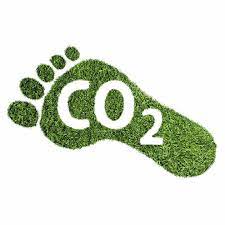 Karbon Ayak İzi Raporlamasında Teknolojinin Önemi
Bir şirketin tedarik zinciri, doğrudan operasyonlardan ortalama olarak 11,4 kat daha fazla emisyon üretiyor; ancak, çok az şirket, etkilerini bu kadar kapsamlı bir düzeyde değerlendiriyor.
2021 (5)
 CAPITAL DERGİSİ - SÜRDÜRÜLEBİLİRLİK EKİ (ARALIK 2020) RÖPORTAJ
“Dünyada kendi alanımızda eşsiz ve öncü dijital değerlendirme alt yapısı olarak, 5 yıl içinde dünyanın en fazla tercih edilen online değerlendirme merkezi olmayı hedefliyoruz.”
 SUYUMUZA SAHİP ÇIKALIM
GELECEĞİMİZİ KURTARMAK ELİMİZDE!
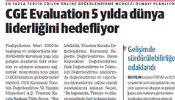 DÜNYA GAZETESİ (5 NİSAN 2021) RÖPORTAJ
CGE Evaluation 5 yılda dünya liderliğini hedefliyor.
 İTO HABER (12 ŞUBAT 2021) RÖPORTAJ
Firmalara uzun ömürlü işletme mimarisi
 TEDARİK ZİNCİRİ SÜRDÜRÜLEBİLİRLİĞİNİN KURUMSAL GELİŞİM VE SÜRDÜRÜLEBİLİRLİĞE ETKİSİ
Bir işletmenin pazarda markasını etkileyecek herhangi durumda, sorumlunun tedarik zincirindeki paydaşlarından herhangi birinin olduğunu söyleyerek, sorumluluktan kaçınması artık mümkün değil.
2020 (4)
 FARK YARATAN KURUMSAL ŞİRKETLER MÜŞTERİ MEMNUNİYETİNİ DÜZENLİ ÖLÇÜYOR
Günümüzde müşterileriyle yakın ilişki içerisinde olan kurumsal şirketler müşteri memnuniyetinin kurumun başarısı ve sürekliliği açısından ne kadar önemli olduğunun çok farkındalar. Zira müşteriler, ürünü ve hizmeti seçen olarak hiç olmadıkları kadar güçlüler...
 KRİZLERE HAZIR MIYIZ? ÖLÇÜMLÜYOR MUYUZ, KRİZ YÖNETİMİNDE NE KADAR BAŞARILIYIZ?
İşletmelerin sürdürülebilirliği için etkin bir “Kriz Yönetimi” stratejilerine ve hazırlıklarına ihtiyaç duydukları aşikardır. Büyük krizler hazırlıksız şirketleri siler süpürür, bazen kriz sonrası şirketin sadece levhası kalır.
 YÖNETİM KURULUNUN KURUMSAL PERFORMANSA ETKİSİ VE SÜRDÜRÜLEBİLİRLİK
İş dünyasındaki hızlı değişim ve rekabet yönetim kurullarının da daha çevik ve yüksek performanslı olmaya zorlamakta. Kuruluşlar her geçen gün daha fazla kuruma uzmanlığı ile rehberlik yapacak çevik yönetim kurullarına ihtiyaç duyuyor.
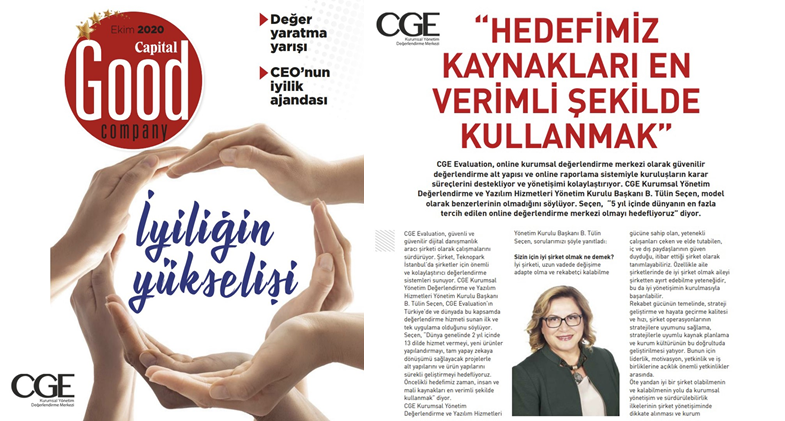 CAPITAL DERGİSİ - GOOD COMPANY EKİ (EKİM 2020) RÖPORTAJ
Dünyada kendi alanımızda eşsiz ve öncü dijital değerlendirme alt yapısı olarak, 5 yıl içinde dünyanın en fazla tercih edilen online değerlendirme merkezi olmayı hedeflemekteyiz. B. TÜLİN SEÇEN - CGE KURUMSAL YÖNETİM DEĞERLENDİRME VE YAZILIM HİZMETLERİ A.Ş. YÖNETİM KURULU BAŞKANI